
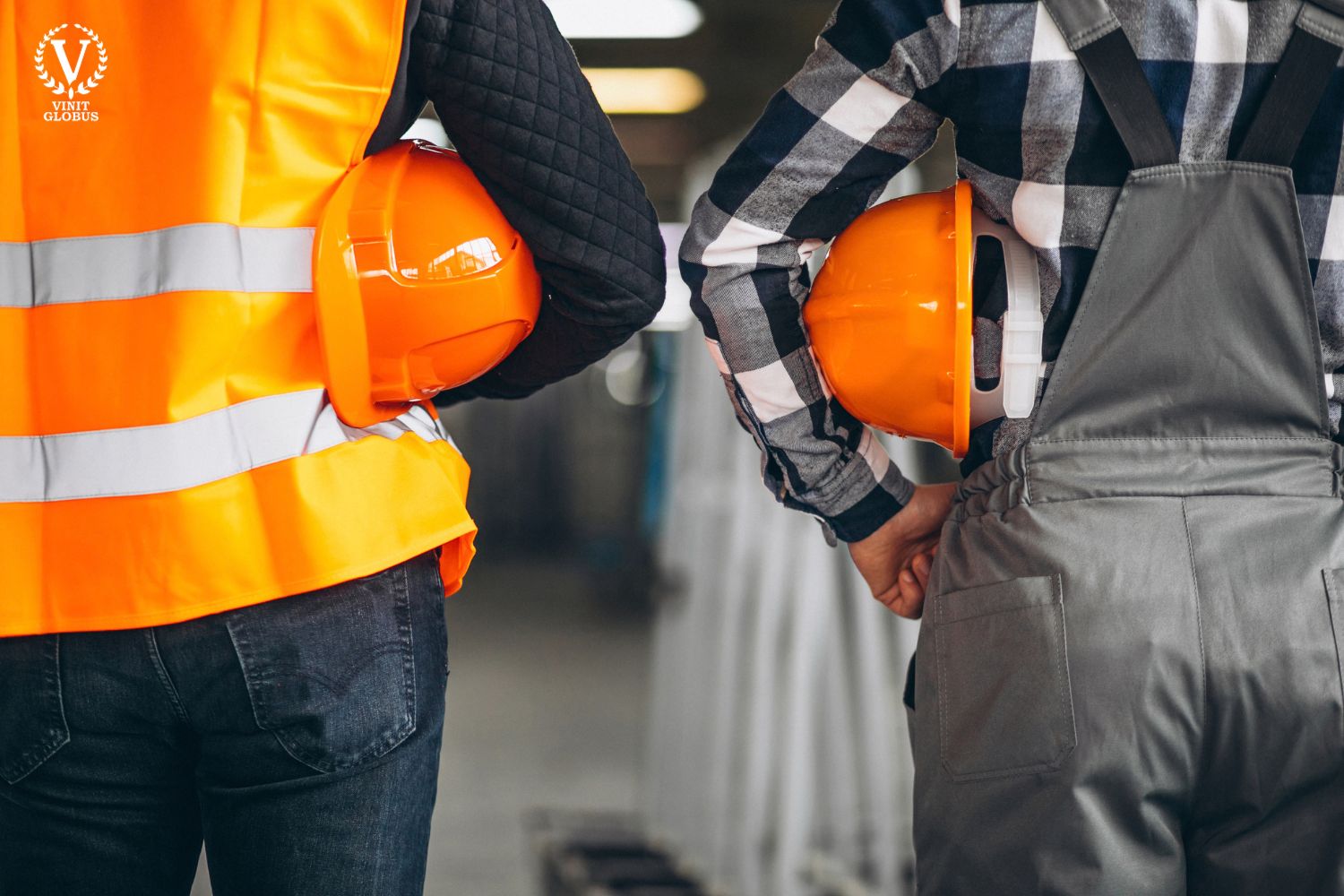
Traceability in Workwear Manufacturing: Why Global Buyers are Asking for It?
-

vinitGlobus
-

28th September 2026
Workwear manufacturing is not the same anymore. In 2026, you can find it entering a new era. It is not enough for buyers to know what goes into the production of the uniforms that they are keen to buy. They are also interested in knowing about where every material came from, how it was processed and who handled it along the supply chain. This visibility is ensured by traceability in workwear manufacturing. Take a closer look at why global buyers are increasingly asking for traceability in workwear manufacturing.
Regulations are Making Supply Chain Transparency Essential
Changing regulatory environment is one of the biggest reasons why buyers are insisting on traceability. Under the Ecodesign for Sustainable Products Regulation of the EU, technical workwear is now expected to fall within Digital Product Passport (DPP) requirements.
Such types of digital records can offer complete information about various aspect of textiles, such as:
- Composition of fiber,
- Chemical safety,
- Environmental impact, and
- Product origin
Forced-labor regulations are another major driver. Manufacturers now have to prove the origin of the raw materials being used in production.
Strengthens Safety Compliance
Workwear can help to keep workers protected against various types of hazards, including:
- Flames,
- Chemicals,
- Electrical risks, and
- Extreme weather conditions
Naturally, buyers want to be confident that the components and materials used in the garments for their facilities genuinely satisfy all the necessary safety requirements.
With traceability, it is possible to create an auditable record of materials, suppliers and production batches. Due to this reason, it can be easier to verify the source of critical components.
Helps to Prevent Greenwashing
These days, environmental claims are having a big impact on the purchase decisions of corporate buyers. Buyers may specify specific fabrics or other preferred materials as part of their ESG commitments. However, it is impossible to ensure enough visibility across a complex supply chain just because of receiving a transaction document or certification.
With traceability, buyers can make sure that the sustainability claims are true for the materials that they receive in reality. Digital records can help to establish whether the responsibly sourced or recycled material specified during procurement is actually present in the finished workwear. Because of this, environmental reporting becomes much more credible. It reduces the risk of manufacturers claiming to offer sustainable products without being able to support their claim.
Technology is Replacing Supply Chain Data Silos
Paper records and spreadsheets are often an integral part of traditional manufacturing processes. But these are often disconnected between weavers, spinners, garment factories and dyeing facilities. There is no specific association at all stages of the journey. Due to this reason, it can be tough to verify information across multiple tiers.
Modern traceable sourcing is moving towards:
- Integrated ERP systems,
- Digital records and,
- Blockchain-based platforms (in some cases)
Forensic tracer methods and other advanced verification technologies can offer more evidence about the origin of the materials being used in production. QR codes, RFID and NFC can help to connect physical garments at the product level, by offering proper digital information throughout the lifecycle.
Traceability Gives Manufacturers A Competitive Advantage
Every trustworthy wholesale workwear manufacturers understand that traceability is necessary, to be in compliance. It can help to differentiate their products in the international market. Buyers are increasingly looking for suppliers who can authentically demonstrate the origin of the materials as well as how their products move through the supply chain.
Manufacturers can respond better to demanding procurement requirements if they can map their sourcing networks towards deeper tiers, including raw-material origins. They can ensure greater transparency to buyers. Problems can be identified more quickly. They can also offer stronger evidence for their compliance and sustainability claims.
As you can see, traceability makes the entire journey of the uniforms verifiable, right from sourcing raw fiber to producing the finished garment. This data-driven approach is very important for an industry that is closely associated to work safety and corporate compliance. While sourcing your supplies, look for a manufacturer who can provide you with the assurance of traceability.
Recent Posts

-
vinitGlobus
-
30th September 2026
-
vinitGlobus
-
30th September 2026

-
vinitGlobus
-
18th September 2026
Tags:
- Benefits of traceability in industrial workwear
- Industrial clothing manufacturing process
- Responsible workwear manufacturing
- Traceability in workwear manufacturing
- What global buyers look for in workwear manufacturers
- Why is traceability important in workwear manufacturing
- Workwear manufacturing traceability
- Workwear quality control standards
Let’s Build Something Exceptional
Our products are made from high-quality genuine leather, durable linings, and premium hardware, crafted to ensure strength, style, and long-lasting performance. Each piece is carefully crafted with attention to detail, combining craftsmanship.
Our products are made from high-quality genuine leather, durable linings, and premium hardware, crafted to ensure strength, style, and long-lasting performance. Each piece is carefully crafted with attention to detail, combining craftsmanship.
Our products are made from high-quality genuine leather, durable linings, and premium hardware, crafted to ensure strength, style, and long-lasting performance. Each piece is carefully crafted with attention to detail, combining craftsmanship.
Our products are made from high-quality genuine leather, durable linings, and premium hardware, crafted to ensure strength, style, and long-lasting performance. Each piece is carefully crafted with attention to detail, combining craftsmanship.